
You are using an out of date browser. It may not display this or other websites correctly.
You should upgrade or use an alternative browser.
You should upgrade or use an alternative browser.
What stupid thing did the GOP say or do this time? Episode 3!
- Thread starter Ironbite4
- Start date


This is how new sects get started, isn't it?

And here we see the true goals of the Republicans emerge. It's not just immigrants or even minorities they want out of the country; it's everyone but themselves.
Of course. This is all about male white supremacist hegemony. After all, the jivegibbon has already invoked "manifest destiny." And while I'm mentioning that...
Reports of Navajo people being detained in immigration sweeps sparks concern from tribal leaders
The DOJ argued in court that Indigenous people don’t have birthright citizenship, even though they have for 100 years
As U.S. Immigration and Customs Enforcement intensifies its efforts to apprehend and deport undocumented immigrants throughout the country, concern is rising among Indigenous communities residing in urban areas about reports of Indigenous people being detained in the Valley.
Since President Donald Trump issued his executive order for an increase in ICE raids, Navajo tribal leaders have received alarming reports that their tribal members are being detained, heightening uncertainties over the implications these actions have for their communities and the safety of their people.
“We now know that Navajo people and enrolled members of other tribes are being detained in Phoenix and other cities by ICE,” Navajo Nation Council Speaker Crystalyne Curley said during a committee meeting on Thursday. “The reports that we have received indicate that we need to coordinate an operation or some type of response to help our enrolled tribal members here on the Navajo Nation.”
On Thursday, Navajo tribal leaders reported that they have received calls and text messages from Navajo people living in urban areas who have been stopped, questioned or detained by ICE. Those reports sparked outrage among Navajo Nation Council members and prompted a detailed discussion of the topic during a Naabik’íyáti’ Committee meeting.
“These raids have sparked significant fear, especially among tribal members in urban areas who face challenges with documentation,” the Navajo Nation Council said in a press release. A verified number of the Navajo people who have been detained was not shared during the committee meeting.
State Sen. Theresa Hatathlie joined the committee meeting virtually and shared her report and concerns in Navajo. Hatathlie represents the Legislative District 6, which encompasses the Navajo Nation.
Hatathlie reported to the Council that she received a call about a case involving a Navajo citizen who was detained for nine hours. She did not share the individual’s identity. Hatahtlie told council members that there is a need for emergency protocols because many tribal members already struggle with access to proper documentation, which can get worse under the ICE sweeps.
“Despite possessing Certificates of Indian Blood (CIBs) and state-issued IDs, several individuals have been detained or questioned by ICE agents who do not recognize these documents as valid proof of citizenship,” the Navajo Nation Council stated in a press release.
...
In defending the constitutionality of the executive order, the U.S. Department of Justice erroneously argued in court that Indigenous people didn’t have birthright citizenship, so neither should the children of noncitizen immigrants.
“The United States’ connection with the children of illegal aliens and temporary visitors is weaker than its connection with members of Indian tribes,” DOJ argued in a filing. “If the latter link is insufficient for birthright citizenship, the former certainly is,” the Trump administration argued.”
The DOJ cited an 1884 U.S. Supreme Court case, Elk v. Wilkins, in which the high court decided that “because members of Indian tribes owe ‘immediate allegiance’ to their tribes, they are not ‘subject to the jurisdiction’ of the United States and are not constitutionally entitled to Citizenship.”
But the DOJ ignored congressional action, the Indian Citizenship Act of 1924, that explicitly gave Indigenous people U.S. birthright citizenship and effectively ended the rejection of citizenship that the Supreme Court had upheld four decades earlier.

Well, if he reads wikipedia articles as thoroughly as he reads the articles he links here......


When I first read the article about the Navajo, I was irate, still kinda am, but then the chaos monster in me asked the question that made me laugh out loud. Where are they going to send them?


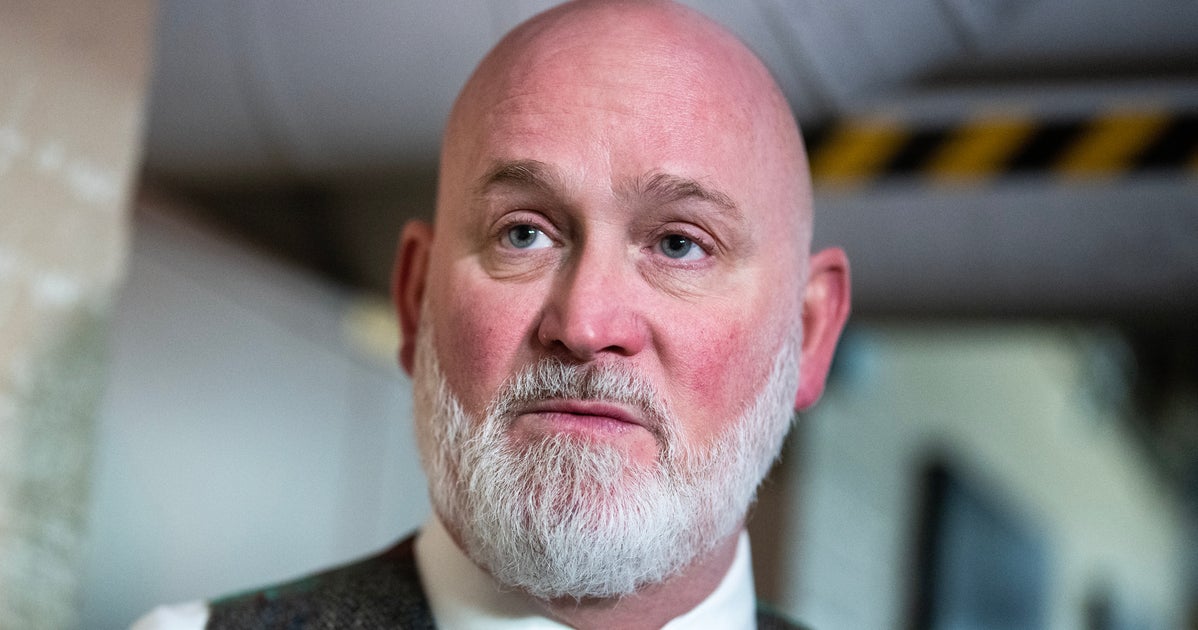
GOP Rep Calls For Court-Martialing Gen. Mark Milley, Former Defense Sec. Lloyd Austin
“They've broken the military,” said Rep. Derrick Van Orden (R-Wis.), claiming they've made the U.S. military too “politicized” to win wars.

A congressman can't force the military to conduct a court marshal. Mark Milley also spent over 20 years in service AND is over 60, so he is not eligible to be recalled into active duty anyway, if my understanding of the rules is correct.


Legend has it that political consequences were a thing once.

Oklahoma Senator Proposes Total Ban on Porn to 'Restore Moral Sanity'
Making, distributing, or consuming pornographic material could get you 10 years in jail.
 gizmodo.com
Under His Eye...
Good time to start buying stocks in VPN services.....

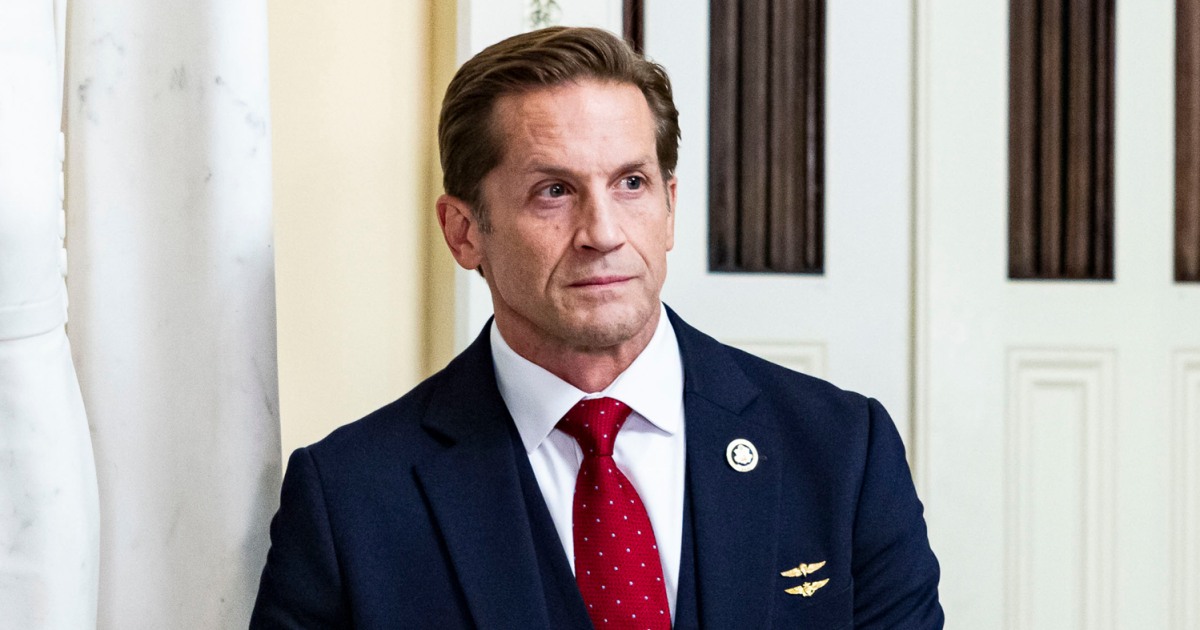
Republican congressman suggests some children receiving free school lunches should work at McDonald’s instead
Rep. Rich McCormick of Georgia said the freeze on federal aid would allow the government to review all programs, including ones that provide free school lunches to low-income children.
 www.nbcnews.com
by next month they're gonna be asking "are there no prisons, are there no workhouses?"
Proving for about the millionth time in the last 40 years, the pearl-clutching "THINK OF THE CHILDREN" mantra is nothing but performative nonsense. The GOP as a body cares not a single jot about children. As far as they are concerned, children are property and a means of locking women down into servitude. Children are extensions of the white patriarchal ego, not fully-realized people, so hug em. They could say "the children long for the mines" without any hint of sarcasm.